
A railing can look simple after installation, but the way it attaches to the deck affects structure, waterproofing, usable space, sightlines, and the final appearance. Two common approaches are surface mounting and fascia mounting. Understanding the difference early can help homeowners, builders, and designers avoid awkward details later.
What Is a Surface-Mounted Railing?
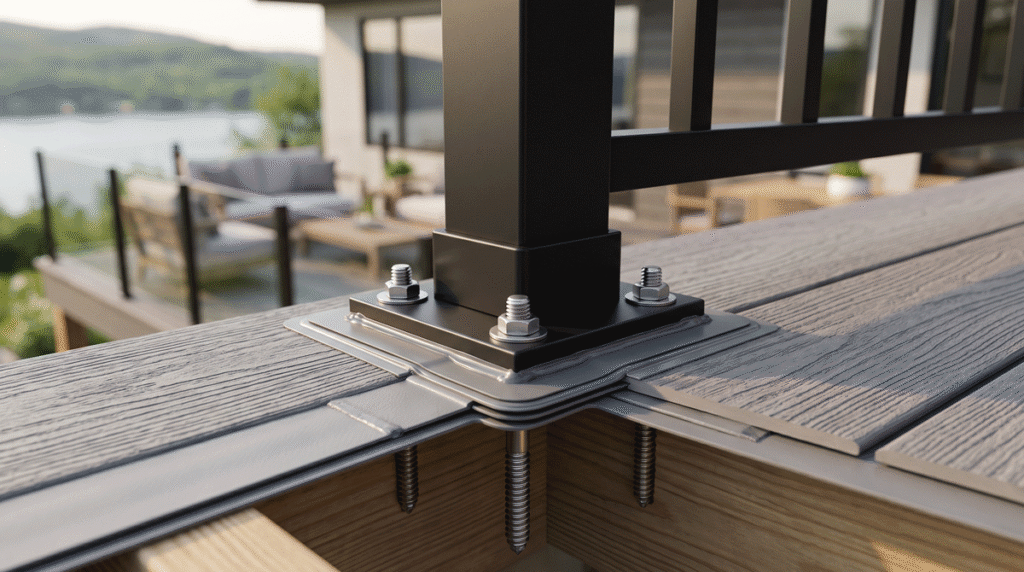
Surface-mounted posts attach through the top surface into suitable structural support below. This is a familiar configuration for glass and Aluminum Picket Railings and can work well when the deck framing and finish are designed around the post locations.
Surface mounting keeps hardware accessible and can simplify some layouts, but the posts occupy a small amount of deck area. More importantly, every attachment needs to be planned as part of the structural and waterproofing system. On a waterproof deck, railing penetrations should never be treated as an afterthought.
What Is a Fascia-Mounted Railing?
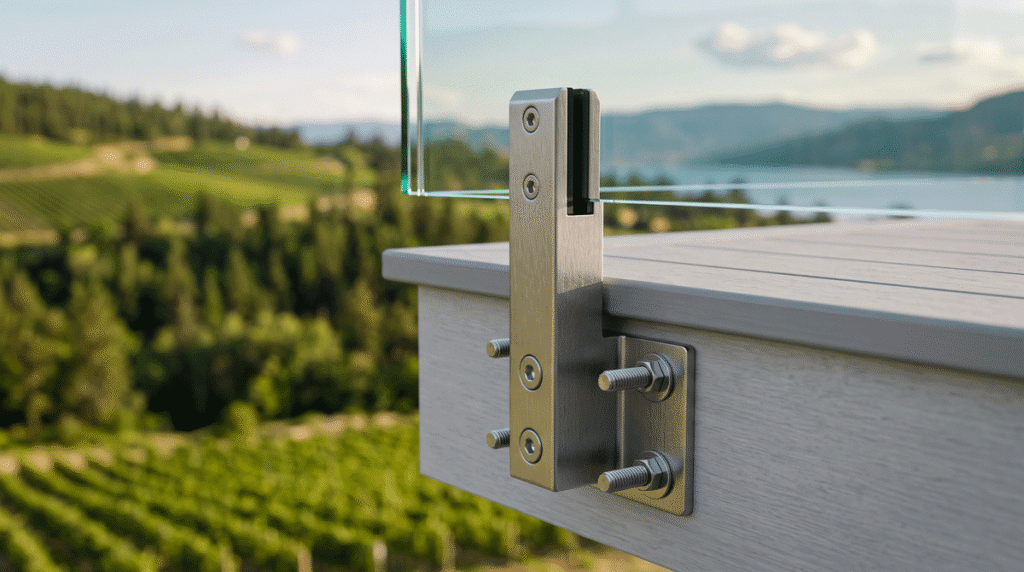
A fascia-mounted system attaches posts or brackets to the side face of the deck edge rather than directly on top. This can free up the walking surface and create a cleaner edge, which is appealing on compact decks or projects where owners want to maximize every usable inch.
Fascia mounting can also lower the hardware’s visual starting point. With glass systems, that may help create a more open appearance from the deck. However, the side structure must be suitable for the loads involved, and corners, stairs, trim, drainage, and cladding all need to be coordinated.
How Structure Changes the Decision
The mounting style should follow the structure, not fight it. Existing decks may have joist, rim-board, blocking, concrete, or edge conditions that make one approach more practical than another. New construction offers more flexibility because you can design backing and attachment points before installing finishes.
This is why a railing quote based only on linear footage can miss important project details. A professional assessment should identify where loads are transferred, whether reinforcement is needed, and how the proposed system fits the actual deck construction. If you want a sense of pricing before that assessment, our 2026 glass railing price guide for Kelowna explains the main cost factors.
Waterproofing and Deck Surfacing Matter
If the deck uses a waterproof membrane, plan railing and surfacing details together. Surface-mounted posts create penetrations through the top surface, while fascia-mounted hardware can affect perimeter details. Both can be successful when the system is properly designed and installed.
Homeowners replacing an older deck can benefit from coordinating Vinyl Deck Surfacing and railing work at the same time. This lets the trades sequence preparation, waterproofing, flashing, post locations, and final finishing instead of modifying completed work later.
Which Mount Looks Better?
Appearance is subjective, but the architecture can guide the choice. Fascia mounting often creates a streamlined perimeter and preserves more of the deck floor. Surface mounting can look equally clean when posts are aligned carefully, and finishes coordinate with the deck.
For glass railings, think beyond standing height. Look from inside the home and from seated positions on the deck. The mounting method can subtly change how much hardware appears in those important sightlines.
Plan Before You Order the Railing
Before choosing a mounting style, confirm the deck structure, waterproofing strategy, stair conditions, gates, corners, post spacing, and any transitions between glass and picket sections. On renovation projects, inspect the existing edge for deterioration or previous penetrations that may need repair.
Legacy Glass Railings designs and installs glass, aluminum, privacy, and commercial railing systems across the Okanagan. Whether surface or fascia mounting is appropriate should be determined by site conditions and the engineered railing system, not selected solely from an inspiration photo.
A little coordination at the beginning can protect the deck finish, improve the final appearance, and reduce rework. If you are planning a new deck or railing replacement, review mounting options before the surrounding construction is complete.
Frequently Asked Questions
What is the difference between fascia-mount and surface-mount railings?
Surface-mounted posts attach through the top of the deck into the structure below, while fascia-mounted posts or brackets attach to the side face of the deck edge. Surface mounting keeps hardware accessible and is familiar for glass and aluminum systems; fascia mounting frees up the walking surface and can lower the visual starting point of the hardware for a cleaner, more open edge.
Which mounting style is better for a small deck?
Fascia mounting is often the better fit on a compact deck because the posts attach to the side rather than sitting on the walking surface, preserving every usable inch. It can also create a streamlined perimeter. The catch is that the side structure must be able to carry the loads, so an assessment of the deck edge is needed before committing.
Does the mounting method affect waterproofing?
Yes significantly. Surface-mounted posts create penetrations through the top surface that must be detailed and flashed correctly, while fascia-mounted hardware affects the perimeter and edge details. On any waterproof deck, plan the railing and surfacing together so post locations, membranes, and flashing are coordinated rather than cut into finished work.
Can I use fascia mounting on an existing deck?
Sometimes, but it depends on the edge structure. Existing decks vary in their rim board, blocking, framing, and condition, and the side must be suitable for the railing loads. A professional should inspect the edge for deterioration or previous penetrations and confirm whether reinforcement is needed; otherwise, surface mounting or added backing may be more practical.
Talk to Legacy Glass Railings
Planning a new deck or a railing replacement? Book a site consultation so Legacy Glass Railings can recommend the right mounting method for your structure before the surrounding work is finished.