Kelowna homeowners face a unique challenge when installing glass railings kelowna: the Okanagan climate isn't like anywhere else in BC. Lakefront wind loads off Okanagan Lake, winter freeze-thaw cycles that can crack poorly sealed systems, and summer UV intensity that degrades inferior hardware all demand installation practices tailored to this region. Generic glass railing systems designed for milder coastal climates often fail here within five years, leaving homeowners with cloudy glass, corroded fasteners, and expensive replacements.
Table of Contents
- Why Kelowna's Lakefront Wind Loads Demand Thicker Glass
- How Freeze-Thaw Cycles Impact Glass Railing Installation Kelowna
- UV Exposure and Hardware Longevity in the Okanagan
- Best Installation Timing for Glass Railings in Kelowna
- What Kelowna Building Inspectors Look for in Glass Railing Installations
- Maintenance Practices That Extend Lifespan in Kelowna's Climate
- Frequently Asked Questions
Glass railings in Kelowna require thicker tempered glass, marine-grade aluminum framing, and UV-resistant seals to withstand the Okanagan's four-season extremes. Local building inspectors expect installations that account for wind pressure zones near the lake, thermal expansion gaps for summer heat, and drainage channels that prevent ice buildup in winter. DK Railings has measured and installed glass railing systems across Kelowna, West Kelowna, and Lake Country since 2018, and we've learned exactly how climate dictates every detail, from glass thickness to fastener torque to installation month.
Why Kelowna's Lakefront Wind Loads Demand Thicker Glass
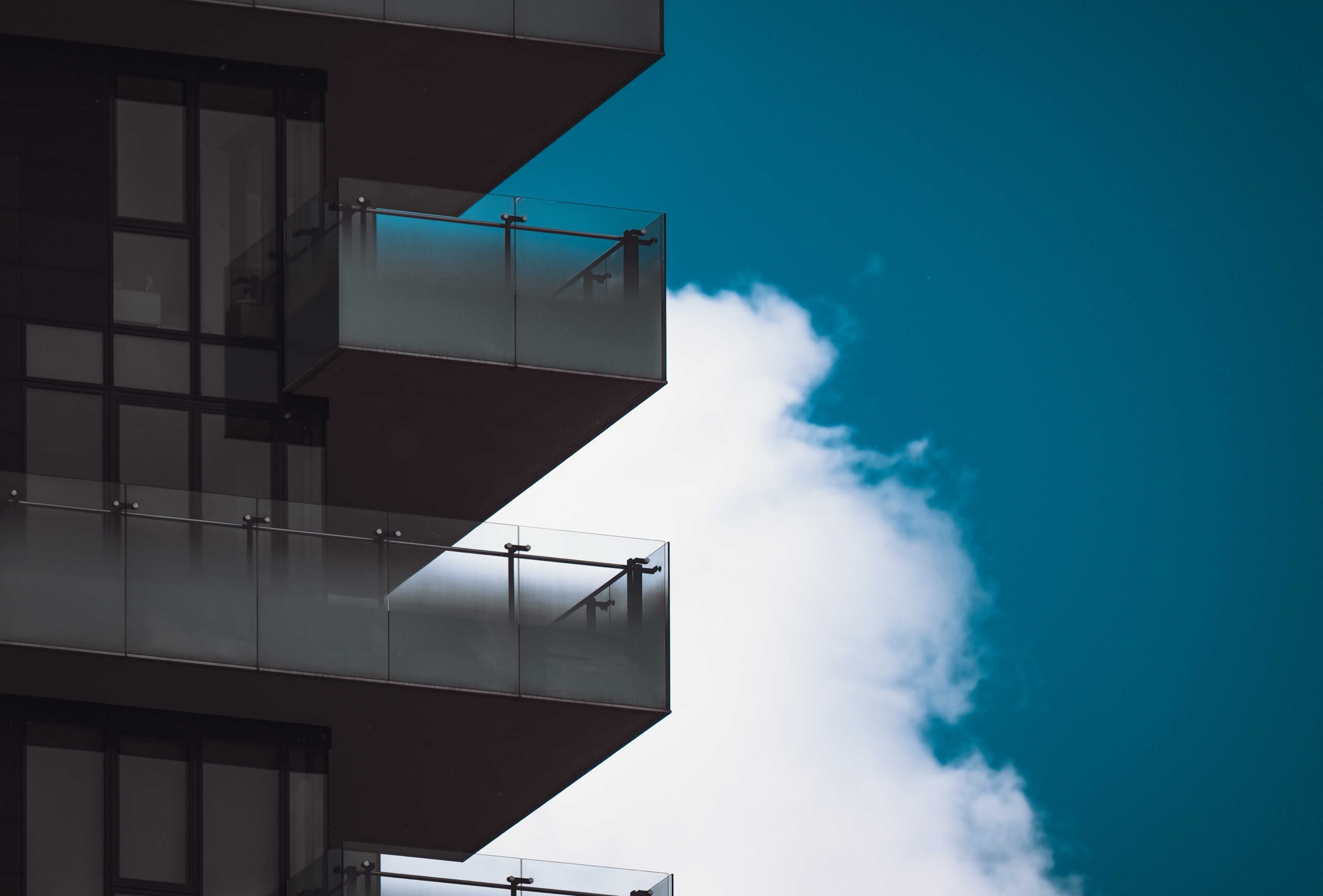
Okanagan Lake generates wind pressure that most interior BC communities never experience. Homes in West Kelowna's Lakeview Heights, Kelowna's Wilden, and Lake Country's Carr's Landing face sustained westerly winds during storm events, creating lateral loads on glass panels that can exceed substantial pressure per square foot.
Standard vs. Kelowna-Spec Glass Thickness
Generic frameless glass railing systems often ship with 3/8-inch tempered glass. That thickness works in sheltered urban courtyards or low-elevation neighbourhoods with minimal wind exposure. In Kelowna, we specify 1/2-inch tempered glass as the baseline for lakefront and hillside installations. For decks above 20 feet or properties directly on the water, 5/8-inch glass becomes necessary.
Wind Pressure Zones and Building Code Compliance
BC building code requires engineers to calculate wind load based on exposure category and height above grade. Kelowna sits in a wind pressure zone that local inspectors scrutinize closely. During the permit review, expect questions about:
- Glass thickness relative to span (distance between posts)
- Post spacing and embedment depth
- Fastener type and torque specifications
- Drainage weep holes to prevent water accumulation
We've worked with Kelowna building inspectors on dozens of projects, and they consistently flag installations that use coastal specs without adjusting for interior wind dynamics. A glass Railings system designed for Vancouver's mild, sheltered climate will not pass inspection here.
Real-World Wind Performance
Mary Ann M. a West Kelowna homeowner, told us: "Dax and Kaid of DK Railing are just the best! At every turn, they went above and beyond in terms of service and quality." Her lakefront deck faces unobstructed westerly exposure, and we installed 1/2-inch tempered panels with reinforced base channels to handle gusts exceeding 60 mph during winter storms. Four years later, the glass remains flawless with zero deflection or seal failure.
How Freeze-Thaw Cycles Impact Glass Railing Installation Kelowna
Kelowna's winter temperatures swing from daytime highs near freezing to overnight lows of -10°C or colder. Water enters microscopic gaps around fasteners, freezes, expands, and cracks seals or shifts posts. By spring, homeowners discover leaks, loose panels, or corroded hardware.
Winter Installation Challenges
We install glass railings year-round in Kelowna, but winter projects require different prep than summer builds. Concrete footings need deeper frost protection, minimum 4 feet below grade in most Kelowna neighbourhoods to stay below the frost line. Sealants and adhesives must be cold-rated; standard silicone cures poorly below 5°C and fails within months.
Thermal Expansion Gaps
Summer deck surface temperatures in Kelowna regularly hit 50°C on south-facing vinyl or composite decking. Aluminum framing expands, and glass panels shift. Without proper expansion gaps, the system binds, cracks the glass, or pops fasteners.
We build 3mm expansion gaps at every post-to-glass interface and use neoprene gaskets that compress and rebound across the temperature range Kelowna experiences (-15°C to +35°C ambient, higher on sun-exposed surfaces). According to building code thermal expansion, aluminum expands approximately 0.0024 inches per degree Celsius per foot of length, which adds up quickly on a 30-foot deck run.
Drainage Design for Ice Prevention
Base channels must drain freely. Kelowna's wet November-to-February season fills any low spot, and standing water freezes overnight. We mill weep holes every 18 inches along the base channel and pitch the channel 1/4 inch per 10 feet toward drainage points. Homeowners in Peachland and Penticton who skipped this step have called us to retrofit drainage after ice cracked their original glass panels.
UV Exposure and Hardware Longevity in the Okanagan
Kelowna averages 2,000+ hours of sunshine annually, and summer UV index regularly exceeds 8. Inferior rubber gaskets, plastic caps, and powder-coat finishes degrade within three years, leaving chalky residue, cracked seals, and rust stains.
Marine-Grade Aluminum and Stainless Steel Hardware
We use only marine-grade aluminum posts and base channels with stainless steel (304 or 316) fasteners. Galvanized or zinc-plated hardware corrodes in Kelowna's climate, especially when exposed to UV, moisture, and freeze-thaw cycles. The upfront material investment is meaningful, but the lifespan difference is 15 years vs. 30+ years.
UV-Resistant Gaskets and Seals
Neoprene and EPDM gaskets resist UV degradation far better than standard rubber. We've inspected competitor installations in Vernon and Lake Country where black rubber gaskets turned brittle and cracked within two summers. UV-rated gaskets cost more upfront but maintain seal integrity across the full Okanagan sun exposure.
Powder-Coat Finish Selection
Kelowna's intense UV requires powder-coat finishes rated for exterior architectural use. We offer 9 traditional colours, all UV-stabilized to prevent fading and chalking. Homeowners concerned about matching their home's style can review colour samples during the design phase, and we guarantee colour consistency across the entire railing run.
Best Installation Timing for Glass Railings in Kelowna
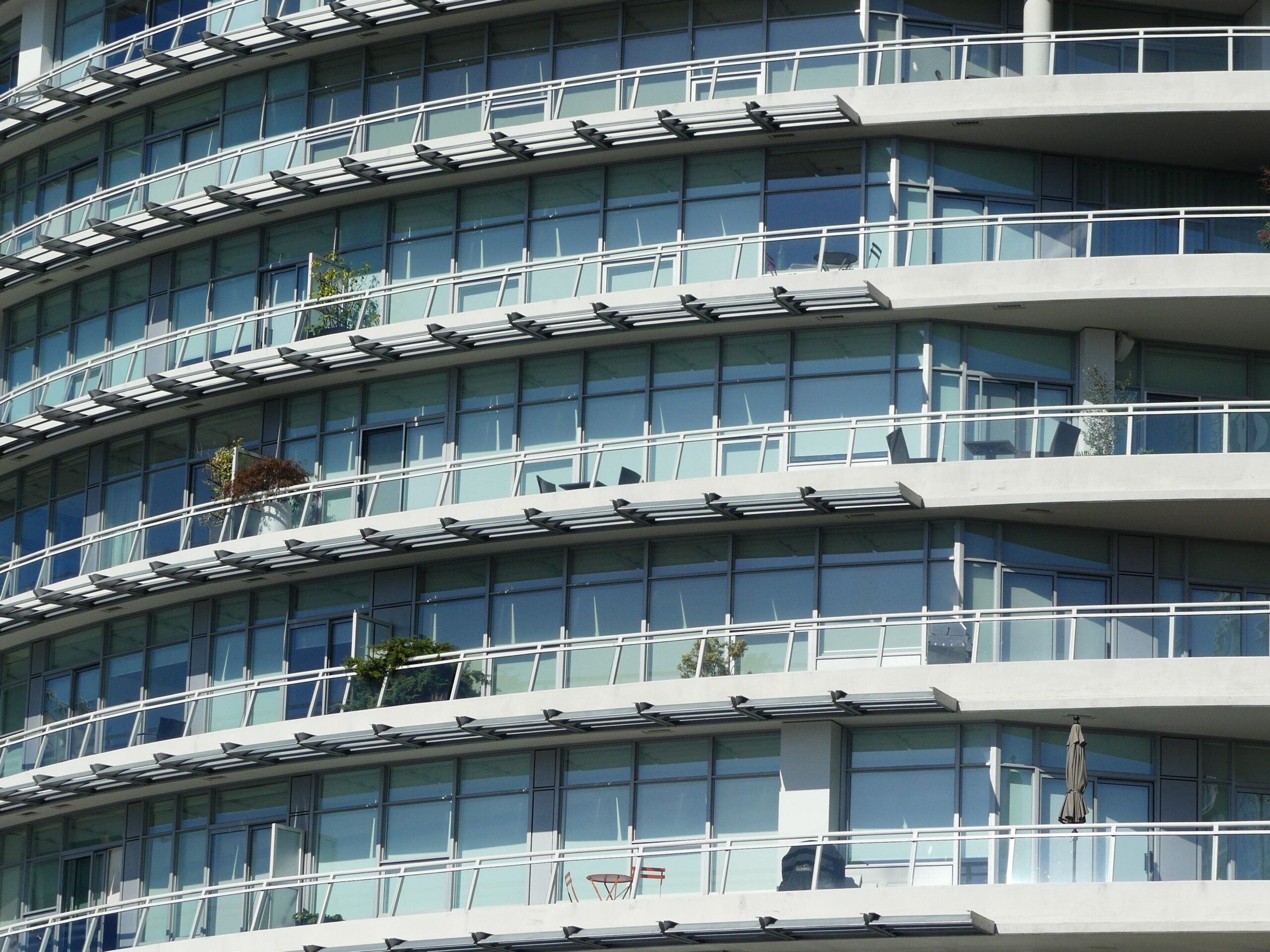
Seasonal weather shapes installation logistics, cure times, and long-term performance. Here's what we've learned after hundreds of Kelowna installations.
Spring and Fall: Ideal Installation Windows
April through June and September through October offer moderate temperatures, low precipitation, and predictable weather windows. Sealants cure properly, concrete footings set without frost risk, and installers can work efficiently without extreme heat or cold delays.
Summer Installations: Heat and Scheduling
July and August bring high demand and scorching deck surface temperatures. We schedule summer installs for early morning starts (7 AM) to avoid midday heat that makes aluminum too hot to handle and accelerates sealant cure before proper tooling. Lead times stretch to 4-6 weeks during peak season, so book early if you want a summer completion.
Winter Installations: Possible but Requires Extra Prep
We install in winter when weather permits, but expect 1-2 day delays if snow or freezing rain hits during your scheduled week. Concrete footings require insulated blankets and sometimes ground heaters to prevent frost heave. Cold-rated sealants add cost, and cure times double. If your project timeline is flexible, wait for spring. If you need winter completion, we'll make it work with the right prep.
Permit Processing Timelines
Kelowna building permits for deck railings typically process in 2-3 weeks. West Kelowna and Lake Country often approve faster (1-2 weeks), while Vernon and Penticton can stretch to 4 weeks during summer construction season. Factor permit wait time into your overall project schedule, especially if you're coordinating railing install with a new deck build or home renovation.
What Kelowna Building Inspectors Look for in Glass Railing Installations
Local inspectors enforce BC building code with attention to wind loads, guardrail height, and structural attachment. Expect these checks during your final inspection.
Guardrail Height and Spacing
Residential decks require 42-inch guardrails (36-inch for decks less than 6 feet above grade). Glass panels must prevent a 4-inch sphere from passing through at any point. Frameless systems meet this automatically; aluminum picket Railings require careful spacing.
Structural Attachment and Load Testing
Inspectors verify that posts attach to the deck frame or house structure with through-bolts or lag screws meeting minimum embedment and spacing requirements. We provide stamped engineering drawings for every installation, and inspectors review fastener torque, post plumbness, and corner bracing.
Tempered Glass Certification
Every glass panel must carry a permanent manufacturer's mark certifying it as tempered safety glass meeting ASTM C1048 or equivalent Canadian standards. Inspectors look for the etched corner stamp on each panel. We source all glass from certified Canadian suppliers and provide documentation with every project.
Drainage and Weather Resistance
Inspectors check for proper drainage (weep holes, pitched channels) and weather sealing. Standing water or gaps that allow water infiltration fail inspection. Our installation process includes a final walk-through where we demonstrate drainage function and seal integrity before calling for inspection.
Maintenance Practices That Extend Lifespan in Kelowna's Climate
Proper maintenance keeps your glass railings clear and structurally sound for decades. Kelowna's dust, pollen, and seasonal weather demand specific care.
Seasonal Cleaning Schedule
Clean glass panels twice yearly (spring and fall) using a pH-neutral cleaner and microfiber cloth. Avoid ammonia-based cleaners that degrade seals. Rinse hardware and base channels to remove dust, pollen, and leaf debris that can clog drainage weep holes.
Winter Prep and Ice Removal
Before first snowfall, clear base channels of debris and verify weep holes drain freely. Never chip ice off glass panels with metal tools; let it melt naturally or use calcium chloride ice melt (avoid rock salt, which corrodes aluminum). Our glass Railings guide covers winter care in detail.
Hardware Inspection and Re-Torquing
Once yearly, inspect fasteners for corrosion or looseness. Stainless steel fasteners rarely corrode, but vibration from wind or foot traffic can loosen nuts over time. Re-torque to manufacturer specs (typically 25-30 ft-lbs for post bolts). If you notice rust stains, contact us immediately; that signals a hardware failure that needs replacement.
Seal and Gasket Replacement
UV-rated gaskets last 15-20 years in Kelowna, but budget for replacement around year 15. We offer maintenance packages that include gasket inspection and replacement as part of a scheduled service visit.
Frequently Asked Questions
What glass thickness do I need for a lakefront deck in Kelowna?
Lakefront installations typically require 1/2-inch tempered glass as a minimum, with 5/8-inch recommended for decks above 20 feet or properties with direct wind exposure off Okanagan Lake. We calculate the exact thickness during your on-site measure based on span, height, and exposure.
Can you install glass railings in winter in Kelowna?
Yes, we install year-round, but winter projects require cold-rated sealants, insulated footing blankets, and flexible scheduling to avoid extreme cold or snow days. Spring and fall offer the most predictable install windows with faster cure times and fewer weather delays.
How does Kelowna's UV exposure affect my glass railing hardware?
Kelowna's 2,000+ sunshine hours per year degrade inferior gaskets, powder-coat finishes, and fasteners within 3-5 years. We use marine-grade aluminum, stainless steel hardware, and UV-stabilized gaskets rated for architectural exterior use to ensure 30+ year lifespan without fading, cracking, or corrosion.
Do glass railings meet Kelowna building code for wind loads?
Yes, when properly engineered. We provide stamped drawings that account for Kelowna's wind pressure zone, and our installations use thicker glass, reinforced posts, and deeper footings than coastal specs. Local inspectors review and approve every project before we install.
You deserve a glass railing system built for Kelowna's climate, not a generic coastal design that fails in five years. DK Railings measures every project on-site, engineers for local wind and temperature extremes, and installs with the same crew that quoted your job. No subcontractors, no surprises, and no callbacks for failed seals or loose posts. Schedule a site assessment with our local installation team by calling 236-766-1277 or visiting our Contact page, and we'll walk your deck, answer your questions, and provide a detailed quote tailored to your property's exposure and your style preferences.